
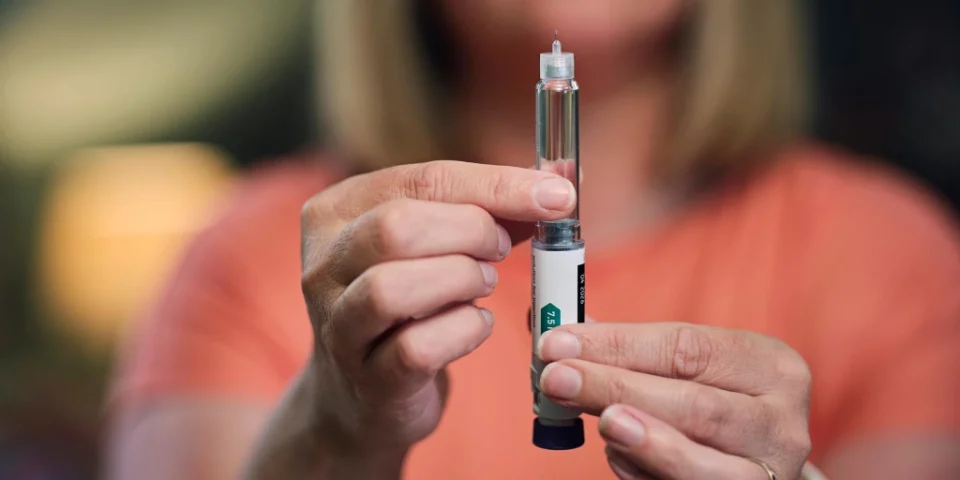
In the expanding field of metabolic health and weight management, people continue to explore nuanced ways to balance effectiveness with comfort and sustainability. One approach that has attracted interest is GLP-1 Microdosing, a strategy that involves administering smaller, more gradual doses of GLP-1 receptor agonist medications rather than full therapeutic amounts. This idea stems from a desire to support metabolic function and appetite control while minimizing side effects and making treatment more tolerable over the long term.
GLP-1 receptor agonists — a class of medications that includes semaglutide and tirzepatide — are best known for their ability to mimic a naturally occurring gut hormone that regulates appetite and glucose metabolism. At full doses, these medications can produce significant reductions in hunger and body weight by slowing gastric emptying and signaling satiety to the brain. While highly effective when administered in standard, evidence-based doses, some individuals find the side effects — such as nausea, bloating, or digestive discomfort — challenging, especially during the early stages of treatment.
What GLP-1 Microdosing Entails
The core concept of GLP-1 Microdosing is straightforward: rather than beginning treatment at a therapeutic dose or increasing dosage quickly, patients start with a small fraction of the standard amount — often around a quarter or less — and adjust gradually based on tolerance and response. This gentler introduction allows the body to acclimate to the medication’s effects without provoking intense gastrointestinal symptoms that can accompany higher doses. Many people find that this slower ramp-up supports steadier appetite modulation and better comfort throughout the day.
Advocates of microdosing also point to potential economic benefits. Using smaller amounts of medication can stretch a prescription farther, making treatment more accessible for individuals paying out of pocket or navigating high prescription costs. In times when medication shortages or insurance barriers limit access to full doses, microdosing may offer an entry point for some to experience at least partial benefits without breaking the bank.
Despite its appeal, GLP-1 Microdosing remains largely an off-label and emerging practice. It has not been formally approved or studied in large clinical trials as a standard protocol, and rigorous evidence comparing its long-term effectiveness to full therapeutic dosing is still lacking. As a result, healthcare providers emphasize that this approach should be personalized and supervised medically rather than self-initiated without professional guidance.
Benefits and Limitations of Microdosing
One of the most cited benefits of GLP-1 Microdosing is the potential for improved tolerability. When doses are kept low, many individuals report fewer digestive side effects compared to starting directly with a full therapeutic dose. This may make it easier to stay consistent with treatment, which is a key factor in achieving sustained metabolic improvements over time.
Additionally, microdosing can foster a more gradual, mindful adjustment to changes in appetite and eating habits. Some supporters suggest that a lower dose helps the body regulate hunger cues more naturally, creating space for healthier patterns of eating and lifestyle choices to take hold. Steady, moderate changes can sometimes yield more sustainable results than abrupt shifts that people struggle to maintain.
However, there are important limitations to consider. Because microdosing involves doses that fall below those tested in clinical research, it may not produce the same level of metabolic or weight loss effects seen with standard dosing. In some cases, the dose may simply be too low to activate the full physiological responses required for meaningful changes in blood glucose regulation or appetite suppression.
Another concern is the lack of standardized protocols. Unlike approved dosing schedules developed through extensive clinical trials, microdosing regimens vary widely, and there is no consensus on the optimal dose, frequency, or long-term safety profile. This creates uncertainty for both patients and providers trying to balance potential benefits against unknown risks.
A Balanced Perspective on GLP-1 Microdosing
For those intrigued by GLP-1 Microdosing, the key to navigating this approach responsibly is open communication with a knowledgeable healthcare provider. A clinician can assess individual health history, monitor response to treatment, and adjust the plan as needed to support both safety and effectiveness. This is especially important because GLP-1 medications influence complex systems such as blood sugar regulation, appetite signaling, and gastrointestinal motility.
While the science on microdosing continues to evolve, the concept represents a broader trend toward individualized care in metabolic health. Some individuals may find that lower dosing offers an acceptable balance between tolerability and gradual benefits, particularly if they are sensitive to side effects or seeking a gentler introduction to GLP-1 therapy. Others may ultimately require standard dosing to achieve more pronounced results, especially when managing conditions like type 2 diabetes or significant weight concerns.
