
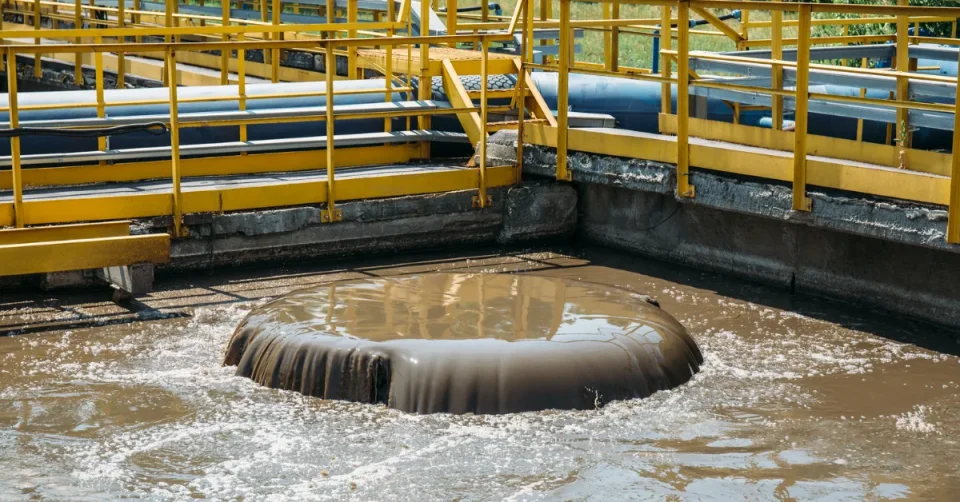
Industrial growth and rapid urbanization have significantly increased wastewater generation across India. Treating this wastewater effectively is essential not only for regulatory compliance but also for environmental sustainability. Implementing wastewater treatment methods is one of the most reliable ways to enhance treatment efficiency while reducing operational costs.
Industries today are moving toward eco-friendly solutions that align with environmental norms. Adopting biological waste water treatment systems ensures that organic pollutants are broken down naturally using microorganisms. This approach improves treatment performance and supports sustainable water management practices.
Understanding the Role of Biological Treatment
At its core, bioremediation wastewater treatment uses bacteria and other microorganisms to decompose organic matter present in wastewater. These microorganisms consume contaminants as food, converting them into harmless by-products such as water, carbon dioxide, and biomass.
Unlike purely chemical systems, wastewater treatment focuses on natural degradation processes. This not only reduces chemical usage but also lowers sludge generation when properly managed.
Optimizing Microbial Activity
The efficiency of wastewater treatment depends largely on microbial health. Maintaining proper oxygen levels, temperature, and pH balance is crucial for optimal bacterial growth.
In wastewater treatment, aeration systems play a major role. Adequate oxygen supply enhances microbial metabolism, resulting in faster breakdown of organic pollutants. Regular monitoring of dissolved oxygen levels can significantly improve treatment outcomes.
Maintaining Proper Nutrient Balance
Microorganisms require a balanced ratio of carbon, nitrogen, and phosphorus for effective functioning. In wastewater treatment, imbalanced nutrient levels can slow down the degradation process.
Industries implementing wastewater treatment systems should conduct periodic nutrient analysis. Adjusting nutrient dosing ensures stable microbial activity and improved treatment efficiency.
Sludge Management and Control
Excess sludge accumulation can reduce system performance. In wastewater treatment, managing sludge age and maintaining proper return activated sludge rates are essential.
Efficient sludge control enhances the overall effectiveness of wastewater treatment plants. Regular sludge removal prevents clogging and ensures consistent system operation.
Use of Quality Bio Culture
Adding high-quality microbial cultures can significantly enhance system performance. Many industries evaluate waste water treatment chemicals before selecting suitable products for their sewage treatment plants.
Choosing the right microbial blend based on wastewater characteristics strengthens waste water treatment efficiency. While evaluating the price, it is important to consider quality and performance rather than cost alone.
Regular Monitoring and Testing
Routine monitoring ensures that wastewater treatment systems operate within optimal parameters. Parameters such as BOD, COD, MLSS, and pH must be checked consistently.
Data-driven adjustments improve the stability of wastewater treatment systems. Continuous tracking helps detect process imbalances before they escalate into major operational issues.
Upgrading Aeration Systems
Aeration efficiency directly affects microbial activity. In waste water treatment, outdated aeration equipment can increase energy consumption while delivering poor oxygen transfer.
Modernizing aeration technology enhances the effectiveness of wastewater treatment plants. Improved oxygen diffusion supports better contaminant breakdown and reduces overall treatment time.
Controlling Toxic Shock Loads
Industrial wastewater may contain chemicals that inhibit microbial growth. Protecting the microbial ecosystem is critical for successful wastewater treatment.
Proper pre-treatment measures safeguard waste water treatment systems from toxic shock loads. Equalization tanks and neutralization processes help stabilize influent characteristics before biological processing begins.
Training and Skilled Operation
Even advanced wastewater treatment systems require skilled supervision. Trained operators can interpret performance data and implement corrective actions quickly.
Proper operational management ensures that wastewater treatment plants maintain consistent efficiency. Knowledgeable staff can also effectively evaluate stp price when selecting reliable solutions.
Energy Efficiency and Cost Reduction
One major advantage of wastewater treatment is its cost-effectiveness. When optimized properly, these systems consume less energy compared to heavily chemical-dependent methods.
Efficient management of wastewater treatment reduces sludge handling costs and lowers long-term operational expenses. Investing wisely after assessing the stp price contributes to sustainable and economical plant performance.
Conclusion
Improving wastewater treatment efficiency requires a strategic approach that combines technology, monitoring, and skilled management. Implementing wastewater treatment offers industries a sustainable and effective solution for removing organic pollutants.
By optimizing aeration, maintaining nutrient balance, and selecting quality solutions after reviewing the stp price, businesses can significantly enhance system performance. A well-managed wastewater treatment plant not only ensures regulatory compliance but also supports environmental protection and long-term operational savings.
Through careful planning and consistent monitoring, wastewater treatment systems can deliver reliable, high-efficiency results for years to come.
