
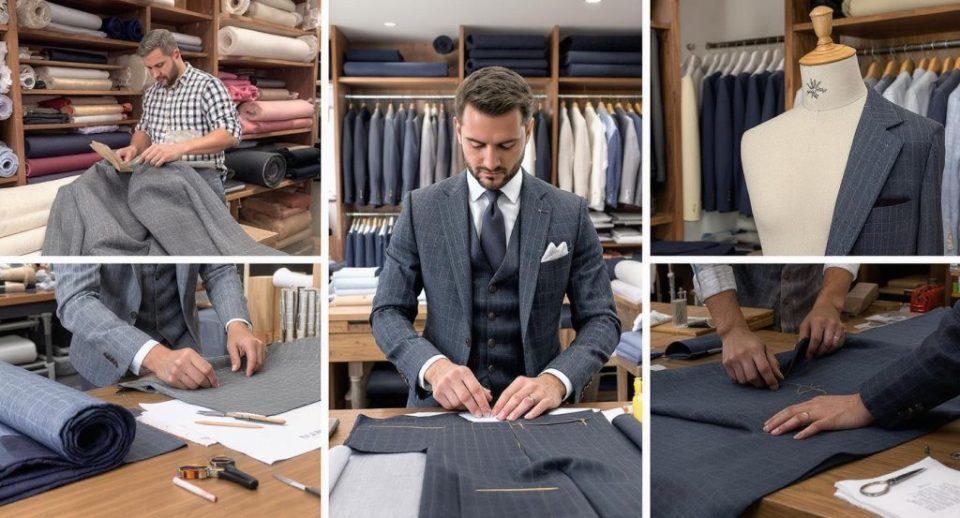
Careful garment construction shapes how formal clothing survives steady use through many events. Strong thread choice and mindful assembly protect fabric from stress while preserving neat structure. People who rotate one suit often notice weak seams first since pressure gathers around joints and edges. Paying attention to build quality helps extend usable life without constant repair. Smart buyers compare inner details before purchase and rely on trusted makers such as the suit bangkok tailor.
Thread Quality And Strength
Reliable thread forms the hidden backbone that holds each suit together during repeated wear. Fibers with tight spin resist fraying and keep seams firm under daily motion. When stitching remains steady, the outer cloth keeps its clean outline longer. Skilled makers test tension carefully so the garment keeps its shape without puckering.
Seam Density Control Methods
Seam spacing decides how pressure spreads across the fabric during bending and sitting. Dense stitching shares force evenly, which reduces tearing along stress points. Loose gaps may look fine early, yet weaken quickly with frequent rotation. Proper density supports the suit frame without adding bulk, a standard carefully maintained by suit bangkok tailor craftsmanship.
Reinforcement Areas And Planning
High-strain zones demand extra planning before any needle touches fabric sections. Tailors study elbow corners, pocket edges, and shoulder joins carefully. Support layers hide inside yet guard the suit from silent damage. Thoughtful reinforcement extends active life and maintains tidy lines.
- Extra lining shields inner seams from rubbing during constant arm motion
- Hidden tape strengthens pocket corners against repeated hand pressure daily
- Double stitching supports shoulder joins where fabric tension often gathers often
- Reinforced hems protect lower edges from dragging against rough surfaces
- Compact bar tacks secure stress points without adding visible thickness
Fabric Behavior Under Stress
Every textile reacts differently when pulled, folded, or pressed for long hours. Flexible cloth recovers shape faster, which protects surrounding stitches from strain. Rigid material may look sharp, yet it demands stronger seam support. Matching the technique to the fabric’s nature prevents early seam fatigue.
Craft Skill And Precision
Hand control guides needle paths that machines alone cannot fully judge. Experienced artisans sense fabric response and adjust pressure instantly. Precise alignment keeps panels flat, so stress flows evenly across seams. Careful finishing removes loose ends that could invite unraveling later. Skilled attention ensures the suit maintains its structure through years of rotation.
Long term wear depends on smart choices that respect garment structure rather than quick fixes. Owners who inspect seams early can address minor weakness before serious splitting starts. Selecting pieces built with thoughtful reinforcement reduces future expense and frustration. Gentle cleaning habits and proper storage also protect thread integrity.
