
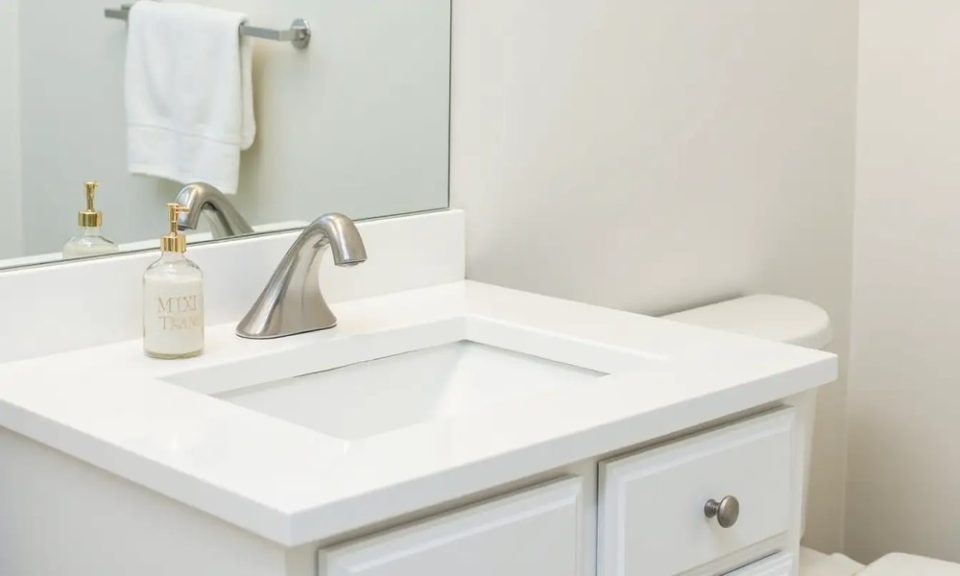
Forget everything you think you know about the “best” materials for bathroom vanities. The truth is, what works in a cozy powder room may fail spectacularly in a busy family bathroom, and the most beautiful surface might be your biggest maintenance headache. It is time to separate fact from fiction and discover which materials actually balance style and durability in real-world settings.
Myth 1: Solid Wood is Always the Most Durable Bathroom Vanity Material
Solid wood has a reputation for timeless beauty, so it is easy to assume it is the obvious choice for lasting durability. Yet bathrooms are a moisture-rich battleground, and even the sturdiest wood can struggle.
Why Wood Can Warp and Crack in Humid Bathrooms
When humidity spikes, natural wood fibers swell and contract. Over months and years, this can lead to warping, cracking, or swelling, especially if the wood is unfinished or poorly sealed. Bathrooms with poor ventilation are especially risky environments for pure wood cabinetry.
When Engineered Wood Outperforms Solid Wood
Engineered wood, such as plywood or medium-density fiberboard (MDF) with a quality veneer, offers greater stability under changing moisture conditions. These materials are built to resist expansion and contraction, making them less prone to damage in humid spaces.
Best Wood Finishes for Longevity and Moisture Resistance
If you have your heart set on wood, look for vanities with protective finishes like polyurethane, marine-grade sealants, or high-pressure laminates. These finishes act as a crucial barrier against water damage and staining, helping wood-faced vanities look better for longer.
Myth 2: Marble Countertops Are the Ultimate in Style and Durability
Marble’s luxurious vibe is hard to beat. But before you picture a spa-like retreat, consider the realities of using this natural stone in a high-traffic bathroom.
Realities of Marble’s Porosity and Maintenance Needs
Marble is porous and can easily stain from spills or water spots. Even sealed marble needs regular reapplication of protectants and gentle cleaning to avoid etching and discoloration from common personal care products.
Comparing Marble to Engineered Quartz and Polymarble
Engineered quartz and polymarble (a composite of resins and stone) are less porous and more resistant to staining and scratching. Here is a quick comparison:
| Material | Durability | Maintenance | Stain Resistance | Style Variety |
|——————|————|————-|——————|———————-|
| Marble | Moderate | High | Low | Classic luxury |
| Engineered Quartz| High | Low | High | Wide range of looks |
| Polymarble | High | Low | High | Contemporary, sleek |
Stylish, Durable Alternatives to Marble
Modern bathroom vanities often feature engineered quartz and polymarble surfaces that mimic the beauty of marble but require a fraction of the care. These materials resist chipping and staining, making them ideal for families or anyone seeking easy upkeep.
Myth 3: Metal Vanities Are Cold and Industrial, Not Stylish
Metal frames used to evoke sterile, industrial vibes. Today’s designs are rewriting that narrative.
Modern Metal Frame Designs That Add Warmth and Character
Sleek powder-coated frames in matte black or brushed gold can inject personality and warmth, especially when paired with textured wood cabinetry or stone counters. These combinations create a balanced look that is both modern and inviting.
Durability Benefits of Metal Construction
Metal understructures add strength and prevent sagging, especially for wall-hung vanities. Powder coatings protect against moisture and rust, making metal an excellent long-term investment in humid bathrooms.
Combining Metal with Wood and Stone for Balanced Aesthetics
Strategic use of metal, wood, and stone allows for creative, mixed-material vanities that suit any decor style, from contemporary to classic.
Myth 4: Wall-Hung Vanities Are Less Stable and More Expensive
Wall-hung vanities are no longer a fragile luxury. Modern engineering has changed the game.
Structural Advances Making Wall-Mounted Vanities Secure
Reinforced mounting hardware and better wall anchors now support substantial weight. Many wall-mounted vanities can hold double sinks or thick quartz counters without shifting or sagging.
Space-Saving Style Meets Functionality
Floating vanities create an illusion of more space and make cleaning the floor a breeze. Their streamlined silhouette is perfect for both small and large bathrooms.
Cost Considerations and Long-Term Value
While installation may be pricier upfront, the increased durability and easier maintenance often justify the initial investment over time.
Myth 5: Double Sink Vanities Are Only for Large Bathrooms
Think double basins are just for sprawling master baths? Not anymore.
Options for Double Sinks in Compact Spaces
Innovative layouts and narrower profiles mean that double sinks can fit into vanities as compact as 48 inches wide without sacrificing comfort.
Style and Practicality of Single vs. Double Sinks
Double sinks are perfect for busy households, reducing morning traffic jams. Singles leave more counter space for accessories and decor.
Choosing the Right Vanity Size for Your Bathroom
Carefully measure and consider both user needs and available space. The best bathroom vanities offer options from compact to extra-wide, with various sink configurations and storage styles.
Myth 6: All Countertop Materials Require the Same Level of Care
Countertop choice directly impacts daily upkeep and long-term appearance.
Maintenance Differences Between Ceramic, Solid Surface, and Quartz
Ceramic counters are easy to clean but can chip if struck. Solid surface options are nonporous and seamless but may scratch over time. Engineered quartz combines style, scratch resistance, and low maintenance for a winning formula.
How Material Choice Affects Longevity and Appearance
A countertop that resists scratches and stains will look new for years, while porous materials can show wear quickly in a family bathroom.
Customer-Favorite Countertops for Easy Upkeep
Engineered quartz and polymarble consistently top lists for their blend of resilience, beauty, and hassle-free cleaning.
Myth 7: Color and Texture Don’t Impact Vanity Durability
Color is about more than style, it affects how your vanity stands up to daily use.
How Finishes Like Walnut and Oak Textures Protect Against Wear
Textured finishes such as rough oak or walnut mask fingerprints and scratches, making them more forgiving in high-traffic bathrooms.
Trends in Bathroom Vanity Colors That Marry Style and Function
Greys, blacks, and wood grains are popular for their ability to hide smudges and water marks. Glossy whites, while elegant, may demand more frequent cleaning.
Choosing a Finish That Matches Your Lifestyle and Design
Pick a finish that harmonizes with your home and stands up to your routine, visual appeal should never come at the cost of practicality.
Making the Right Choice: Balancing Durability, Style, and Budget
Choosing the best materials for your bathroom vanity means weighing style preferences against practical needs. Prioritize sturdier engineered woods and nonporous countertops for heavy-use bathrooms, and experiment with metal accents or textured finishes for added flair. Pairing the right cabinet with a low-maintenance surface will offer years of satisfaction, both in looks and longevity. And when in doubt, ask the experts, exploring a wide variety of bathroom vanities can help you narrow down the perfect fit for your space and style.
