
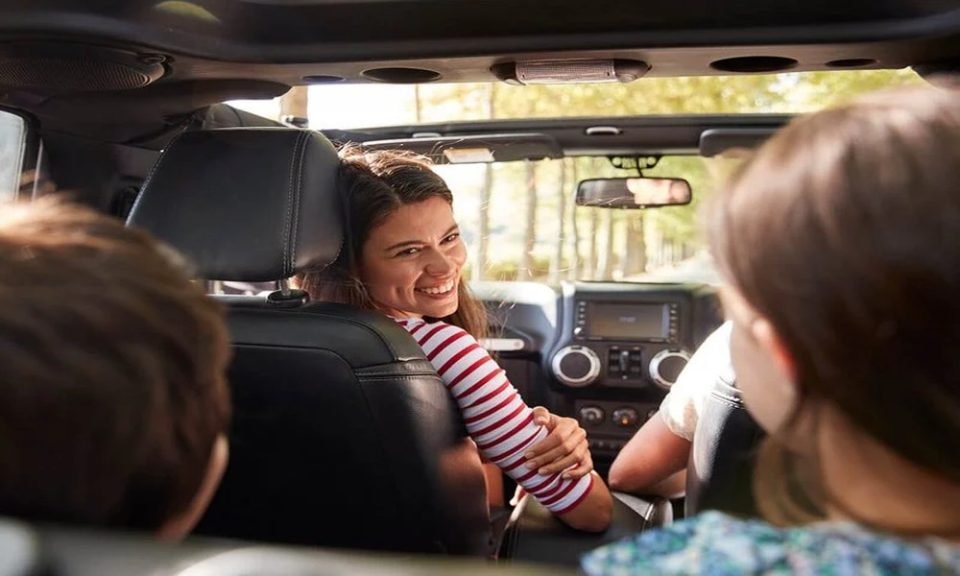
Something interesting has happened to Canadian drivers over the last several years.
People aren’t just buying vehicles to commute anymore.
They’re buying vehicles for experiences.
You can see it everywhere now. Parking lots filled with lifted SUVs carrying kayaks. Pickup trucks towing campers into the mountains. Crossovers loaded with skis, mountain bikes, paddleboards, and enough outdoor gear to survive a long weekend in the wilderness.
Honestly, even people who used to drive small sedans are making the jump toward more capable vehicles because their lifestyle changed first – and their vehicle choices followed afterward.
Canada’s geography probably plays a huge role in this. When you live in a country filled with national parks, ski resorts, lakes, forests, and endless highway routes connecting outdoor destinations, eventually you start wanting a vehicle that can handle more than city traffic and grocery runs.
And let’s be real for a second: Canadians genuinely love outdoor recreation.
According to Parks Canada, visits to national parks and historic sites have surged in recent years as more people prioritize nature, road trips, and outdoor experiences. That shift has quietly influenced the entire automotive market.
Suddenly, “Can it fit my camping gear?” matters as much as fuel economy.
Adventure Vehicles Aren’t Just for Hardcore Off-Roaders Anymore
This is one of the biggest misconceptions people still have.
When some people hear “adventure-ready vehicle,” they picture giant lifted trucks crawling over boulders in the middle of nowhere. But honestly, most Canadian drivers building outdoor-focused setups aren’t doing anything extreme.
They’re:
- Driving to ski resorts
- Taking weekend camping trips
- Hauling bikes to trail systems
- Visiting lakes
- Exploring gravel roads
- Road-tripping through British Columbia or Alberta
In other words, normal outdoor activities.
That’s why crossovers and midsize SUVs have exploded in popularity. Vehicles like the Toyota 4Runner, Ford Bronco, Subaru Outback, and Toyota RAV4 hit a sweet spot between daily practicality and weekend capability.
People want vehicles that can handle snowstorms and mountain roads while still fitting into grocery store parking spots on Monday morning.
Honestly, it makes sense.
Outdoor Gear Is Driving Vehicle Decisions
One thing I’ve noticed recently is how much outdoor gear influences the way people choose vehicles now.
A decade ago, most buyers focused heavily on horsepower, luxury features, or styling. Those things still matter, obviously, but practical lifestyle questions seem to matter more than ever:
- Can it carry bikes easily?
- Is there enough cargo room for camping gear?
- Can it tow a small trailer?
- Will it handle rough weather confidently?
- Is the roof strong enough for storage systems?
Vehicle capability has become tied directly to hobbies and experiences.
And manufacturers know this.
That’s why automakers keep releasing “Trail,” “Wilderness,” “Tremor,” and “Off-Road” editions of basically everything now. They understand buyers want versatility, even if they’re only using that capability occasionally.
Honestly, half the appeal is psychological. People like knowing they could head into the mountains at any moment, even if they mostly drive around town.
Bikes Have Quietly Become a Huge Factor
Mountain biking and cycling culture have grown massively across Canada.
Places like Whistler, Squamish, Canmore, and countless trail systems across Ontario and Quebec have turned biking into more than just a niche hobby. Entire travel plans now revolve around bringing bikes along.
That creates a practical problem though: transporting multiple bikes safely and efficiently.
For years, people relied heavily on roof-mounted bike carriers, but those systems become frustrating fast when you’re dealing with heavier bikes, tall vehicles, or larger groups.
That’s one reason companies like VelociRAX have gained attention among outdoor-focused drivers. Vertical rack systems simply make hauling multiple bikes easier for families and riding groups, especially during longer road trips where convenience matters.
And honestly, once people start building vehicles around outdoor recreation, accessories become just as important as the vehicle itself.
Winter Weather Changed the Conversation
Canadian winters force people to think differently about vehicles.
You can’t really fake capability when roads are icy, visibility disappears, and mountain highways turn unpredictable overnight.
That’s one reason AWD and 4WD systems matter so much here.
But winter capability also pushed people toward more adventure-oriented vehicles in general. Once drivers experience the confidence of a capable SUV during rough conditions, many don’t want to go back.
And it’s not just about snow anymore.
Adventure-focused vehicles tend to offer:
- Better ground clearance
- Improved cargo flexibility
- Roof rack compatibility
- Tow ratings
- More durable interiors
Those features happen to work extremely well year-round for active lifestyles.
The team at CAA has repeatedly emphasized how proper winter-ready vehicles and tires significantly improve safety during Canadian winters. Honestly, most Canadians already know this instinctively.
Camping Culture Has Evolved
Camping used to feel much more rugged and minimal.
Now? It’s become a blend of adventure and comfort.
People are bringing:
- Portable power stations
- Rooftop tents
- Compact fridges
- Outdoor cooking setups
- Inflatable paddleboards
- Portable showers
And surprisingly, many families are doing this with midsize SUVs rather than massive RVs.
There’s something appealing about having a vehicle that can transition seamlessly from everyday life into weekend escape mode without requiring an entirely separate lifestyle.
This flexibility became especially popular during the pandemic years when road trips and domestic travel exploded across Canada.
People rediscovered how much incredible outdoor access exists within driving distance.
Honestly, a lot of them never stopped afterward.
Fuel Economy Still Matters – Probably More Than Ever
Here’s where things get interesting.
Even though larger SUVs and trucks remain popular, buyers are becoming much more selective about efficiency.
Nobody loves spending a fortune on fuel during long road trips.
That’s why hybrid adventure vehicles are starting to gain traction. Models like the Toyota Grand Highlander Hybrid and hybrid truck options are appealing because they balance outdoor utility with more manageable fuel costs.
People want capability, but they also want practicality.
And honestly, modern adventure vehicles have become surprisingly refined compared to older generations. You can drive comfortably for hours, carry tons of gear, and still get decent mileage if you choose carefully.
The “Weekend Escape” Mentality Is Real
I think this is the biggest reason adventure-ready vehicles continue growing in popularity.
Modern life feels busy and crowded.
People spend all week indoors, staring at screens, navigating traffic, juggling work and family responsibilities. Then Friday arrives, and suddenly everyone wants out.
Out of the city.
Out of routine.
Out toward mountains, lakes, trails, forests, or small towns.
Vehicles became the bridge between everyday stress and temporary freedom.
That sounds dramatic, maybe, but I honestly think it’s true.
The rise of outdoor-focused vehicles isn’t really about cars themselves. It’s about what those vehicles allow people to do.
Accessories Became Part of the Identity
Something else that changed recently: vehicle accessories stopped feeling purely functional.
Now they’re part of how people personalize outdoor lifestyles.
Roof racks, recovery gear, bike systems, lighting upgrades, cargo organizers – these aren’t just utility items anymore. They reflect how people actually use their vehicles.
And unlike flashy cosmetic modifications, most outdoor-focused accessories solve real problems.
That’s probably why they resonate more strongly.
People don’t just want vehicles that look adventurous. They want setups that genuinely support the activities they care about.
The outdoor recreation industry itself has seen massive growth across Canada, with organizations like Outdoor Industry Association tracking continued increases in participation across hiking, biking, paddling, and camping activities.
The vehicle market naturally followed.
Adventure Vehicles Reflect a Bigger Lifestyle Shift
At the end of the day, the rise of adventure-ready SUVs and trucks in Canada says less about vehicles and more about priorities.
People are placing more value on experiences.
On flexibility.
On outdoor access.
On weekend freedom.
And honestly, that shift probably isn’t going anywhere.
Because once people realize they can finish work on Friday afternoon, throw gear in the back of the SUV, and wake up beside a mountain lake a few hours later… it changes the way they think about both travel and daily life.
The vehicle just becomes part of the equation.
A really useful part, admittedly. But still just the tool that helps people get where they actually want to go.
