

Planning an outdoor kitchen feels exciting at first. You imagine slow Sunday grilling, friends laughing in the background, maybe a cool drink in hand. Then reality taps you on the shoulder. What type of setup actually makes sense? Permanent and polished? Or flexible and easy to adjust later?
That is where the decision between built-in and modular outdoor kitchens comes into play. Both can look stunning. Both can function beautifully. But they suit different lifestyles and different levels of commitment.
Understanding Built-In Outdoor Kitchens
A built-in outdoor kitchen is designed as a permanent structure. It is not something you casually move around next summer. It becomes part of your patio, your landscaping, your overall home design.
Typically, these setups include:
- Fixed stone, brick, or concrete frameworks
- Custom countertop space for prep and serving
- Integrated storage drawers and cabinets
- Proper ventilation and heat-resistant materials
The biggest advantage? Stability. Everything feels solid and intentional. There is no wobble, no awkward spacing. And if you cook often, especially longer sessions like smoking, that permanence really pays off. Of course, it does require a higher upfront investment. Construction, materials, planning. It is not a weekend DIY for most people. But long-term, it adds real value to the home.
What Makes Modular Outdoor Kitchens Different?
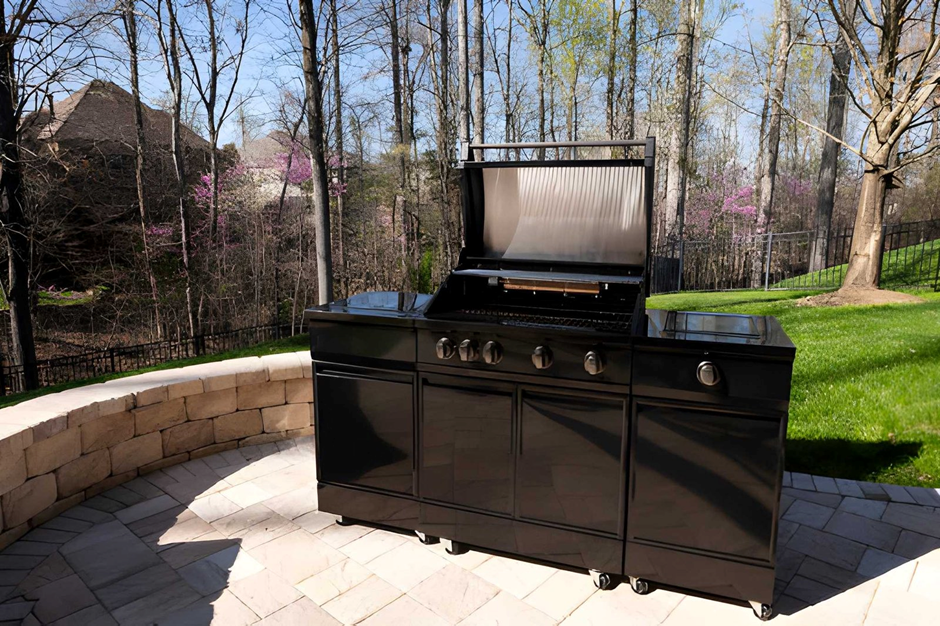
Modular kitchens like the popular built-in Kamado kitchen units are more flexible by nature. Think of them like building blocks. You combine individual units to create a layout that works for you.
Here is what usually stands out:
- Faster installation
- Lower starting cost
- Rearrangement possibilities
- Expandable design over time
They are ideal for homeowners who might move in a few years. Or for those testing the waters before committing to a full outdoor renovation.
That said, modular units can sometimes feel slightly less cohesive. Functional? Yes. But not always seamlessly integrated into the space.
Day-to-Day Practical Differences
The real difference often shows up during actual use.
Built-in kitchens tend to offer:
- Better workflow between prep and grill zones
- Stronger structural support
- Cleaner visual appeal
Modular kitchens offer:
- Adaptability
- Easier upgrades
- Budget control
It is less about which one cooks better, the grill handles that, and more about how comfortable the overall experience feels.
Product Insight: Performance and Installation Quality
When you look at long-term usability, a thoughtfully designed built-in Kamado kitchen often provides superior heat management and ergonomic cooking height. That makes extended grilling sessions noticeably easier on your back and your patience.
Retailers like BBQs2u explain this well on their website. Their installation guidance highlights airflow spacing, material durability, and safe integration practices. Small details, honestly, but they matter. Proper setup prevents heat damage and protects the surrounding structure, which is something modular arrangements may not always optimise as effectively.
So, Which One Fits You?
If you see your outdoor space as a long-term extension of your home, built-in feels right. It is stable, refined, and deeply integrated.
If you prefer flexibility or want room to experiment before committing, modular offers breathing space.
There is no universal winner here. Just the option that fits how you live, and how you actually cook.
